Bathroom
How to Prevent Water Leakage in Your Bathroom
Sep 8 2026
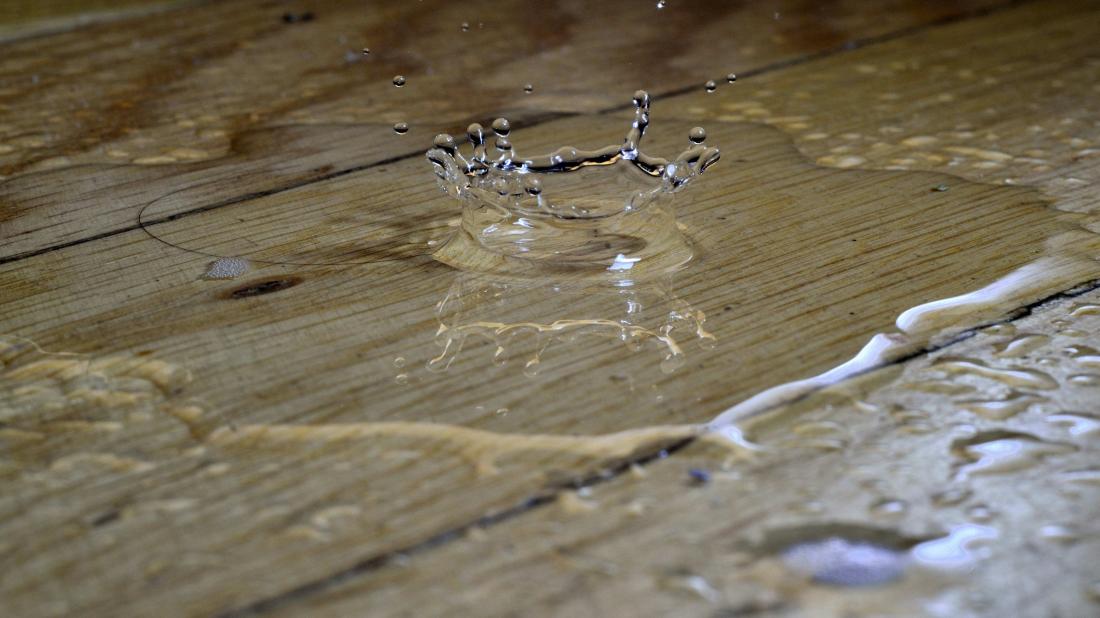
Learn how to prevent water leakage in your bathroom with practical waterproofing tips suited for Malaysia's humid climate.
Water leakage in the bathroom is one of the most common — and most overlooked — problems in Malaysian homes and commercial buildings. Whether it's a slow drip behind the wall or moisture seeping through the floor into the unit below, bathroom water leakage can quietly cause serious structural damage if left unaddressed. Understanding how to prevent water leakage bathroom issues from the start is far less costly than dealing with the aftermath.
Malaysia's tropical climate means high humidity levels year-round, heavy monsoon rains, and temperature fluctuations that constantly put pressure on building materials. These conditions accelerate the wear and tear of waterproofing membranes, grout lines, and sealants — making bathroom waterproofing Malaysia a topic that every homeowner and property developer should take seriously.
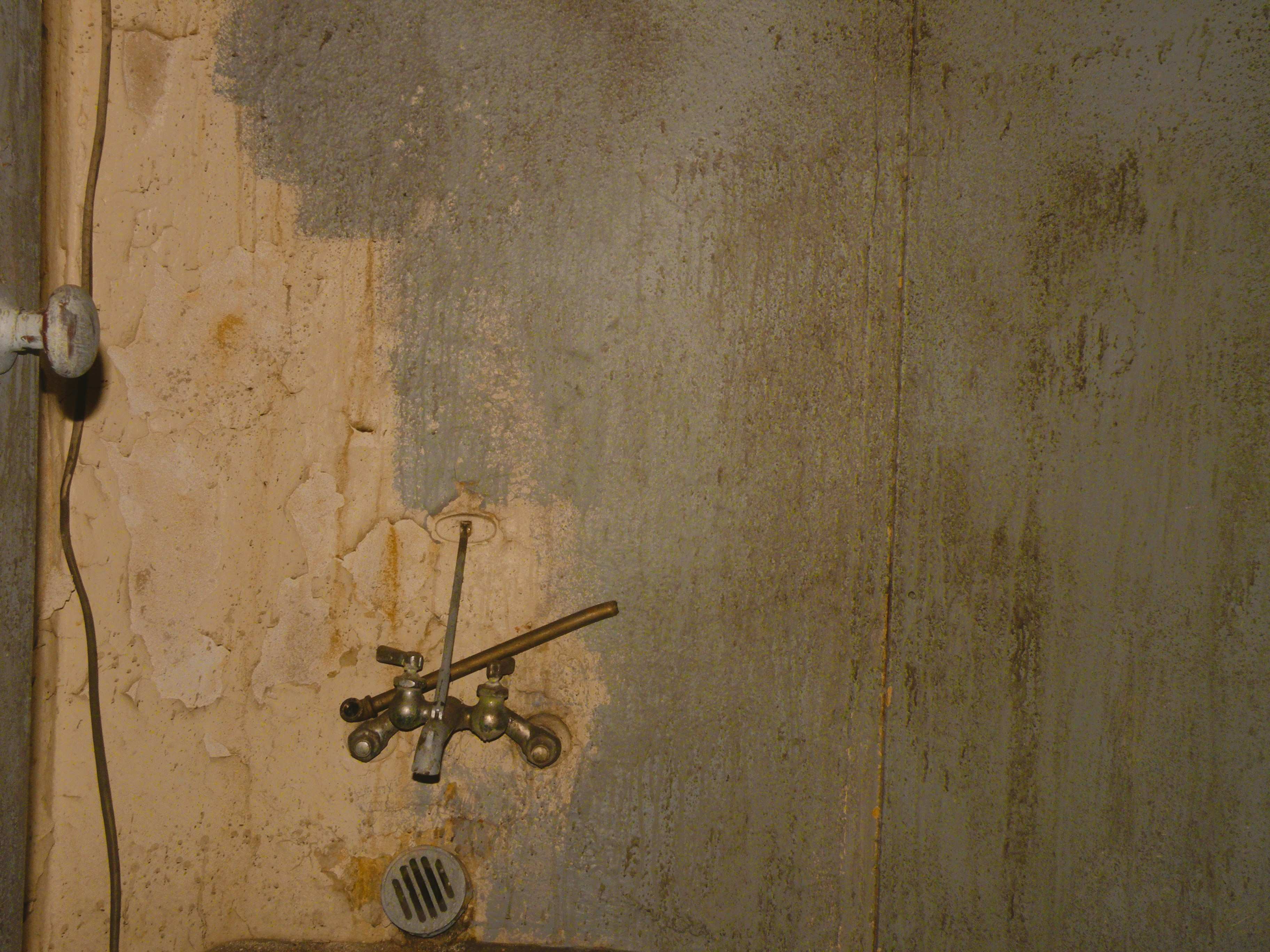
In older buildings especially, it's common to find water stains on ceilings, peeling paint on lower-floor units, or a persistent musty smell that signals hidden moisture. These are all signs that bathroom waterproofing has failed somewhere along the line.
How to Prevent Water Leakage in Your Bathroom
Water leakage in the bathroom is one of the most common — and most overlooked — problems in Malaysian homes and commercial buildings. Whether it's a slow drip behind the wall or moisture seeping through the floor into the unit below, bathroom water leakage can quietly cause serious structural damage if left unaddressed. Understanding how to prevent water leakage bathroom issues from the start is far less costly than dealing with the aftermath.
Why Bathroom Water Leakage Is a Bigger Problem in Malaysia
Malaysia's tropical climate means high humidity levels year-round, heavy monsoon rains, and temperature fluctuations that constantly put pressure on building materials. These conditions accelerate the wear and tear of waterproofing membranes, grout lines, and sealants — making bathroom waterproofing Malaysia a topic that every homeowner and property developer should take seriously.
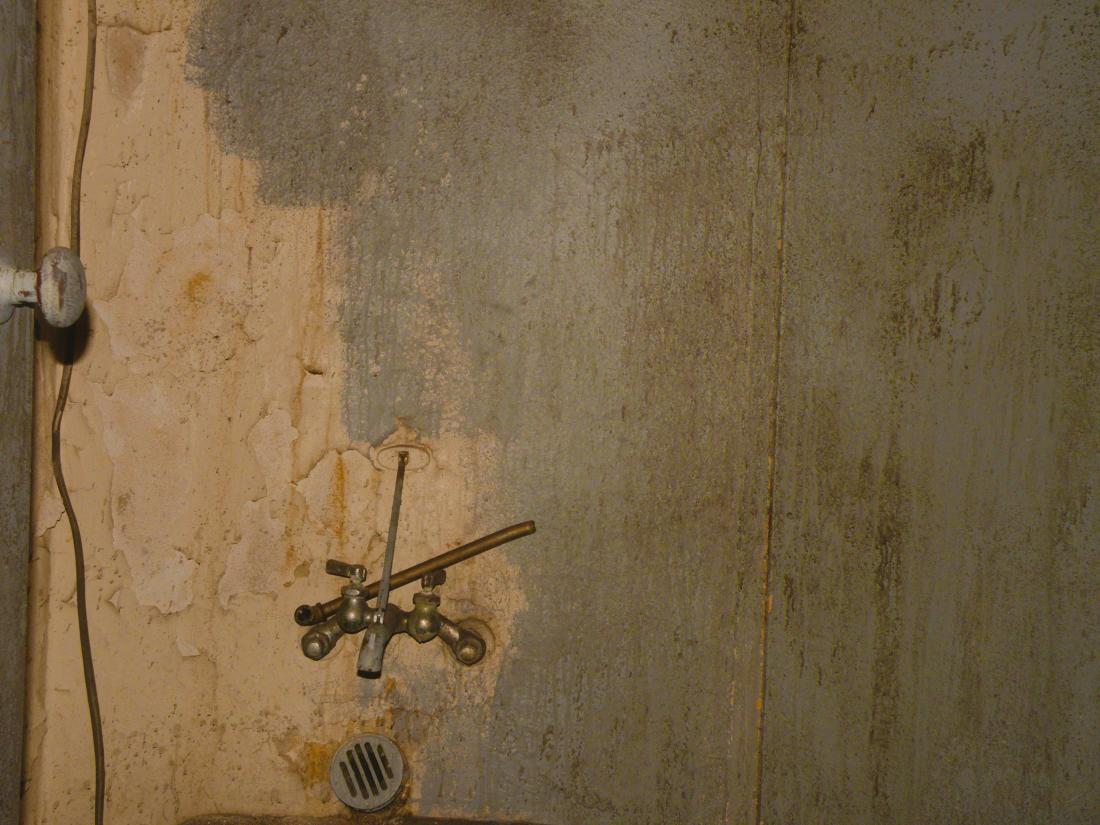
In older buildings especially, it's common to find water stains on ceilings, peeling paint on lower-floor units, or a persistent musty smell that signals hidden moisture. These are all signs that bathroom waterproofing has failed somewhere along the line.
Start with Proper Waterproofing at Construction Stage
The most effective way to prevent water leakage in the bathroom is to get the waterproofing right from day one. During construction or renovation, a waterproofing membrane should be applied across the entire bathroom floor and at least 300mm up the walls — covering all corners, pipe penetrations, and floor drains.
Choose the Right Waterproofing Membrane
Not all membranes are created equal. In Malaysia, both cementitious waterproofing and polyurethane liquid membranes are commonly used. Cementitious types are easy to apply and bond well to concrete surfaces, making them a popular choice for basic residential bathrooms. Polyurethane membranes, on the other hand, offer greater flexibility and are better suited for areas prone to slight movement or vibration — such as high-rise bathrooms in Malaysia's many condominium developments.
The key is ensuring the membrane is applied continuously without gaps, especially around corners and pipe entry points, which are the most common leak initiation points.
Pay Attention to Grout and Tile Installation
Once waterproofing is in place, the quality of your tile installation matters just as much. Poor grouting is one of the leading causes of bathroom water leakage because cracked or incomplete grout allows water to penetrate behind tiles and reach the substrate below.
Use Epoxy Grout for Long-Term Durability
For bathrooms that are in heavy daily use — or for commercial washrooms in Malaysian office buildings, hotels, and malls — epoxy grout is worth the investment. It is water-resistant, stain-resistant, and far more durable than standard cement grout. It also doesn't shrink over time, which reduces the chances of hairline cracks forming later.
If your bathroom tiles have already been installed with standard grout and you're seeing early signs of water leakage, regrouting with epoxy grout and applying a grout sealer can buy you significant time before a full overhaul is needed.
Seal All Joints and Penetrations Properly
One area that is frequently neglected is the joint between the wall and floor — known as the cove joint — as well as the areas around pipes, taps, and fixtures. These junctions experience movement and stress every time the building settles, temperature changes, or water pressure shifts.
Using a flexible silicone sealant at these junctions is essential. Silicone is waterproof, flexible enough to absorb minor movement, and resistant to the mould growth that commonly affects bathroom joints in Malaysia's humid environment. It should be inspected and replaced every few years, as silicone does degrade over time.
Regular Maintenance Goes a Long Way
Even the best bathroom waterproofing Malaysia solution will eventually need attention. Periodic maintenance checks — looking at grout condition, sealant integrity, tile adhesion, and drainage efficiency — can catch small issues before they turn into expensive repairs.
Watch for Early Warning Signs
Homeowners and facility managers should look out for tell-tale signs such as discolouration or bubbling paint on adjoining walls, tiles that sound hollow when tapped, persistent musty odours, or visible mould growth in corners. Addressing these signs early is always more cost-effective than waiting for a full leak to develop.
In Malaysia, it is also worth scheduling a professional waterproofing inspection after major monsoon seasons, particularly for older properties or rooftop bathrooms that are exposed to direct rainfall.
Frequently Asked Questions (FAQ)
Q: How do I know if my bathroom has a water leakage problem?
A: Common signs include water stains on the ceiling of the floor below, musty smells inside the bathroom, hollow-sounding tiles, or visible mould at grout lines and corners. If you notice any of these, it's worth getting a professional inspection done promptly.
Q: How long does bathroom waterproofing last in Malaysia?
A: A properly applied waterproofing membrane can last anywhere from 5 to 15 years, depending on the materials used, workmanship quality, and how well the bathroom is maintained. Malaysia's humid climate and frequent rain can shorten this lifespan if low-quality materials are used.
Q: Can I waterproof my bathroom without hacking the tiles?
A: In some cases, yes — surface-applied waterproofing products and grout sealers can provide a temporary solution without tile removal. However, if the existing waterproofing has fully failed or water has already penetrated the substrate, hacking and re-doing the waterproofing from scratch is usually the only lasting fix.